First Time Meditating: What to Expect & How to Start
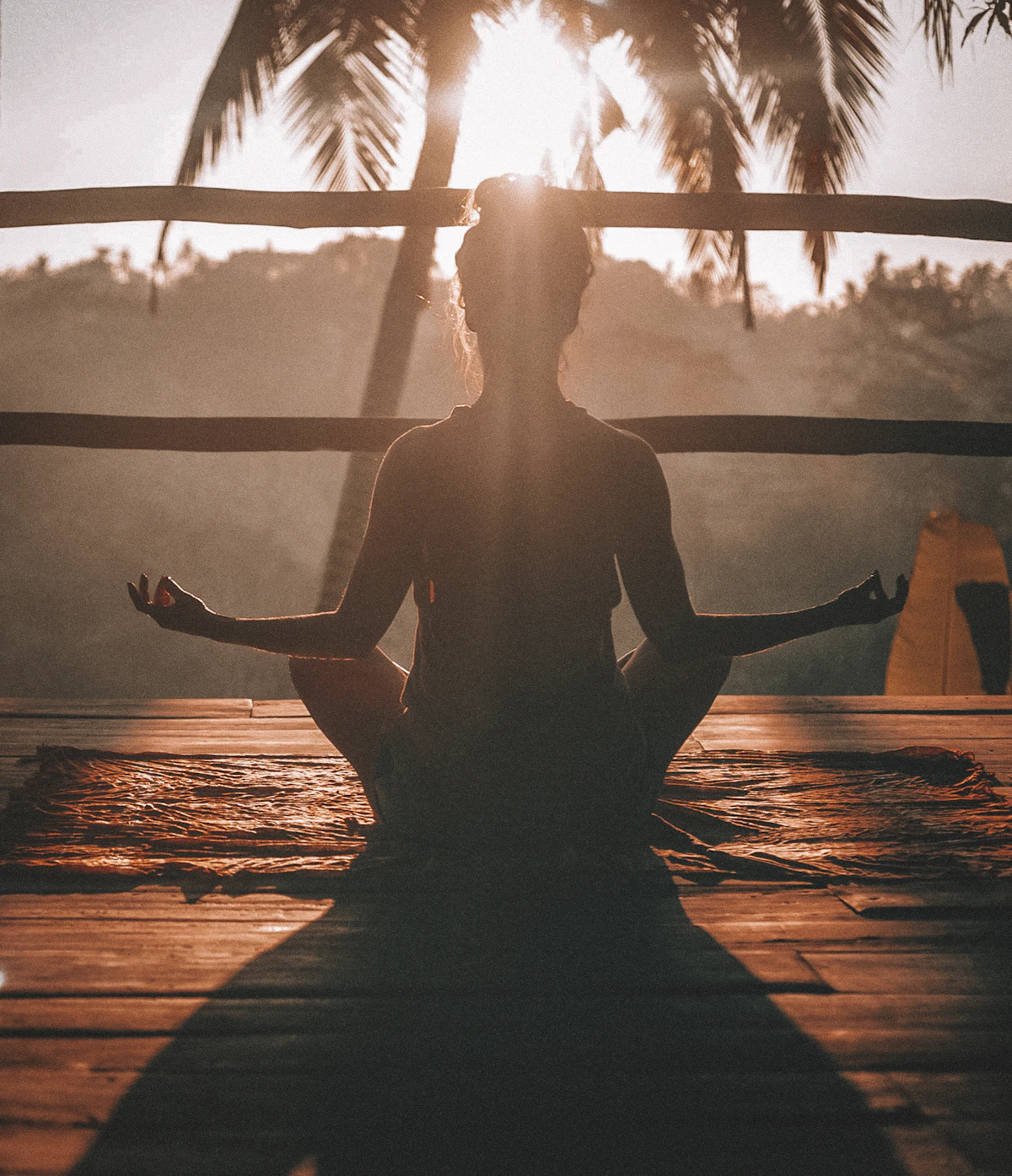
You’ve heard about the benefits: less stress, better focus, more calm. But when you try to sit still and "clear your mind," all you can think about is your grocery list or that awkward thing you said three years ago.
Here is the secret: Meditation isn’t about stopping thoughts. It’s about noticing them without judgment. Here is how to start without feeling like you’re failing.
1. Forget the Lotus Position
You don’t need to sit cross-legged on the floor with incense burning. You can meditate anywhere.
- Chair: Sit upright with feet flat on the floor. Hands on your lap.
- Couch: Sit comfortably, but not so relaxed that you fall asleep.
- Bed: Good for morning/evening, but risky for naps!
The goal is to be alert but relaxed.
2. Start Small (Really Small)
Don’t aim for 30 minutes. Aim for 3–5 minutes.
Use a timer on your phone so you aren’t checking the clock. Knowing you only have to sit for 3 minutes makes it easier to start.
3. The Breath Anchor
Your breath is your anchor. It’s always there.
- Close your eyes or soften your gaze.
- Feel the air entering your nostrils and leaving your mouth.
- Notice your chest rising and falling.
- Don’t try to control the breath. Just observe it.
4. The "Wandering Mind" is Normal
This is the most important part. Within 10 seconds, your mind will wander. You’ll think about work, dinner, or an itch on your nose.
This is not failure. This is the practice.
The moment you realize your mind has wandered, gently say to yourself, "Thinking", and bring your attention back to the breath. That return is the "rep" for your brain muscle.
5. Dealing with Discomfort
Your knee might hurt. Your back might itch. Try to observe the sensation without reacting. If it’s too much, adjust your position slowly and mindfully. Meditation is about awareness, not endurance.
6. Why You Need a Mentor’s Guide
Guided meditations can be very helpful for beginners. Hearing a voice guide you through the process keeps you on track.
On Firstime.world, we have creators who share detailed audio guides and routines. For example, check out our guide: "The 7-Day Mindfulness Challenge: Audio Guides & Journal Prompts". It includes daily 5-minute tracks for anxiety and focus.
Feeling Overwhelmed?
Meditation helps manage stress, but so does organization. Check out our guide on First Time Living Alone to create a calm living space, or Budgeting Tips to reduce financial anxiety.
Conclusion
Meditation is a journey, not a destination. Some days your mind will be calm; other days it will be a storm. Both are okay. Just show up, sit down, and breathe. Your mind will thank you.